
An old master takes a morning walk with his pupils. After a while the sun breaks through. Dewdrops are visible everywhere. He gathers his pupils around a large drop that catches the sunlight and asks: ’What colour is this drop?’ ’Red’, says the first pupil. ’Orange’, says the second and ’yellow’ the third. And so every pupil names a different colour, right down to the last one, who genuinely sees purple. They are astonished that everyone sees a different colour. A little quarrel even breaks out. The master then has them change places a few times. Slowly it dawns on the pupils that each of them individually did speak the truth. Finally the master puts the pupils back in their original places. Because the sun has turned in the meantime, they now see entirely different colours again. Then the master says: ’How you see the truth depends on the place and the time you occupy in life. Just as you have just seen part of the light and took that for the truth. So let your fellow human beings walk their own path in complete freedom, take their own place and experience their own part of the light. Until you have become masters yourselves, you will perceive only your own truth. Therefore do not merely be tolerant, which is no more than putting up with another's opinion, but be glad that there are so many different opinions. Because together they ultimately form the full truth.’
PERCEPTION VERSUS REALITY
The example of the old master shows that you have to know your own drivers if you want to be effective in your behaviour and want to improve communication and collaboration. With the ultimate result: becoming more successful. Once again: what you perceive is a perception of reality. And therefore not necessarily the truth. That does not exist.
PREDICTING HOW THE OTHER PERSON SEES YOU
When you are aware that in a particular situation you are looking through your own coloured lens, you can estimate in advance what you will make of certain situations. You can, as it were, predict how the other person sees you. But you do have to have a clear idea of which lens you yourself are looking through and which lens the other person is using. When you are able to understand which coloured lens someone else is looking through, you are ideally placed to adapt your behaviour accordingly. If you want to, at least.

LIKE-MINDED DRIVERS
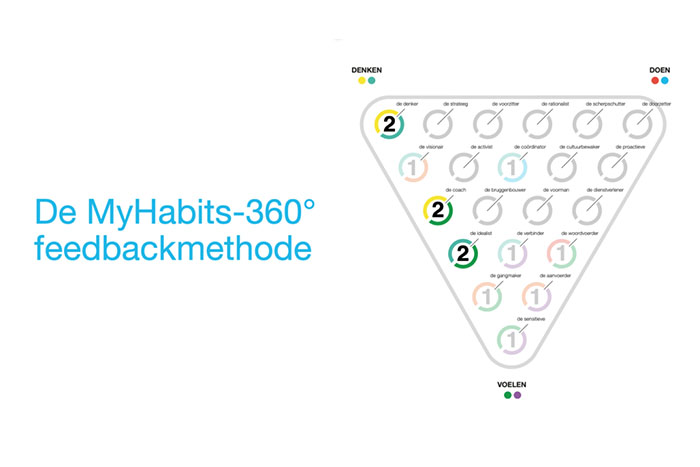
The way of thinking and acting is essentially the same when two like-minded drivers meet. Two people with a strong green driver consider it important to consult together and seek consensus. Two yellow drivers who meet agree immediately that careful thought is needed first. And that a thorough analysis of a situation has to be made. Two individuals with a red driver above all want to pick up the pace, while the blue-coloured among us mainly want clear agreements down on paper. Orange people, in turn, wonder what something will yield for them. All of this is very recognisable. But in practice it is not a given that people's drivers are alike. Usually we look through differently coloured lenses.
Rather experience for yourself what drives you?
Take the free miniscan and discover in a few minutes what moves you.