Worldwide, managers often lose energy faster than their team members. That energy leak rarely comes from the workload. More often from a reflex: under pressure we show more of the behaviour that does not help.
Manager engagement dropped worldwide from 27 to 22 percent in a single year, the sharpest decline of any group in the workplace. It is not the teams that run out of energy first, but their leaders. And workload is half the story at best.
Behaviour under pressure
The figures come from the latest State of the Global Workplace by Gallup. That same research has shown for years that around seventy percent of team engagement is linked to one factor: the manager. Reason enough to look beyond workload.
Take a look at what you do yourself when the pressure rises. Those who naturally bring structure plan more tightly. Those who set the pace push harder. Those who guard harmony schedule yet another meeting.
The busier it gets, the more you do of what you were already doing. It is your strongest drivers going into overdrive.
It feels like grip. So why does it not work?
Everyone looks through coloured glasses
Everyone naturally looks at a situation, or at someone else's behaviour, through their own coloured glasses.
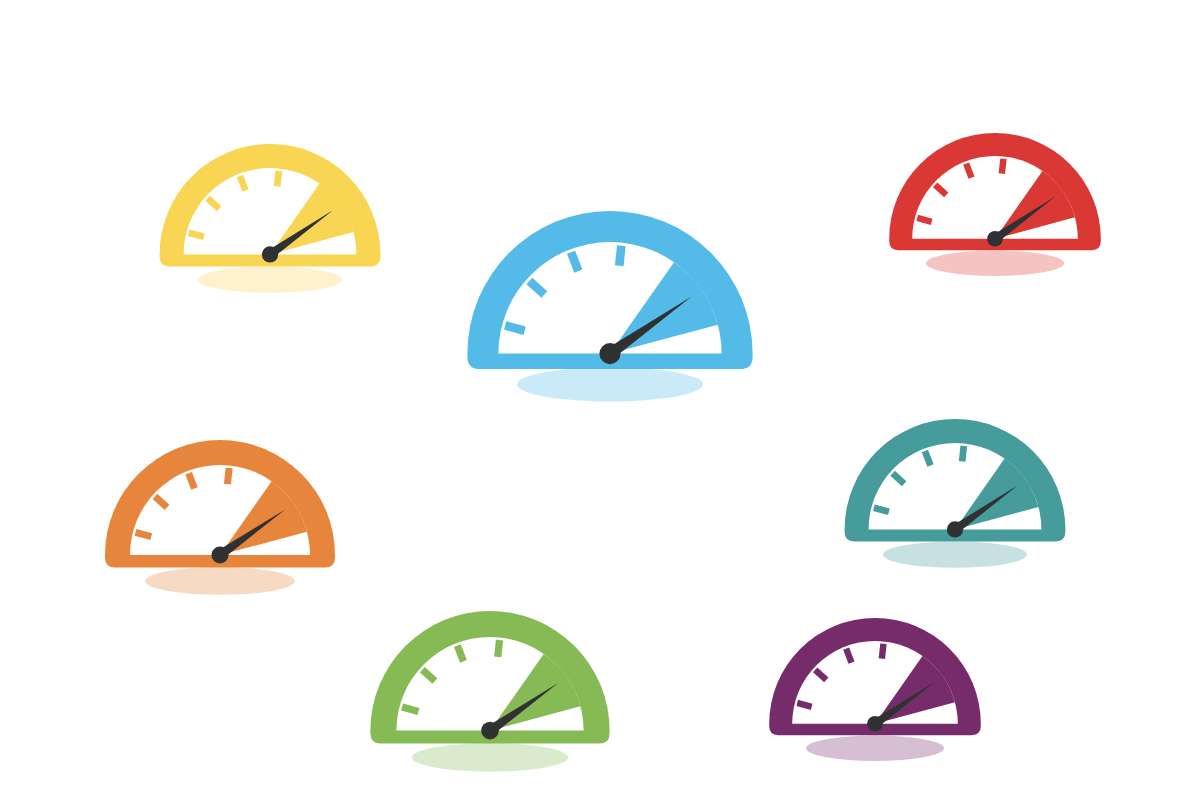
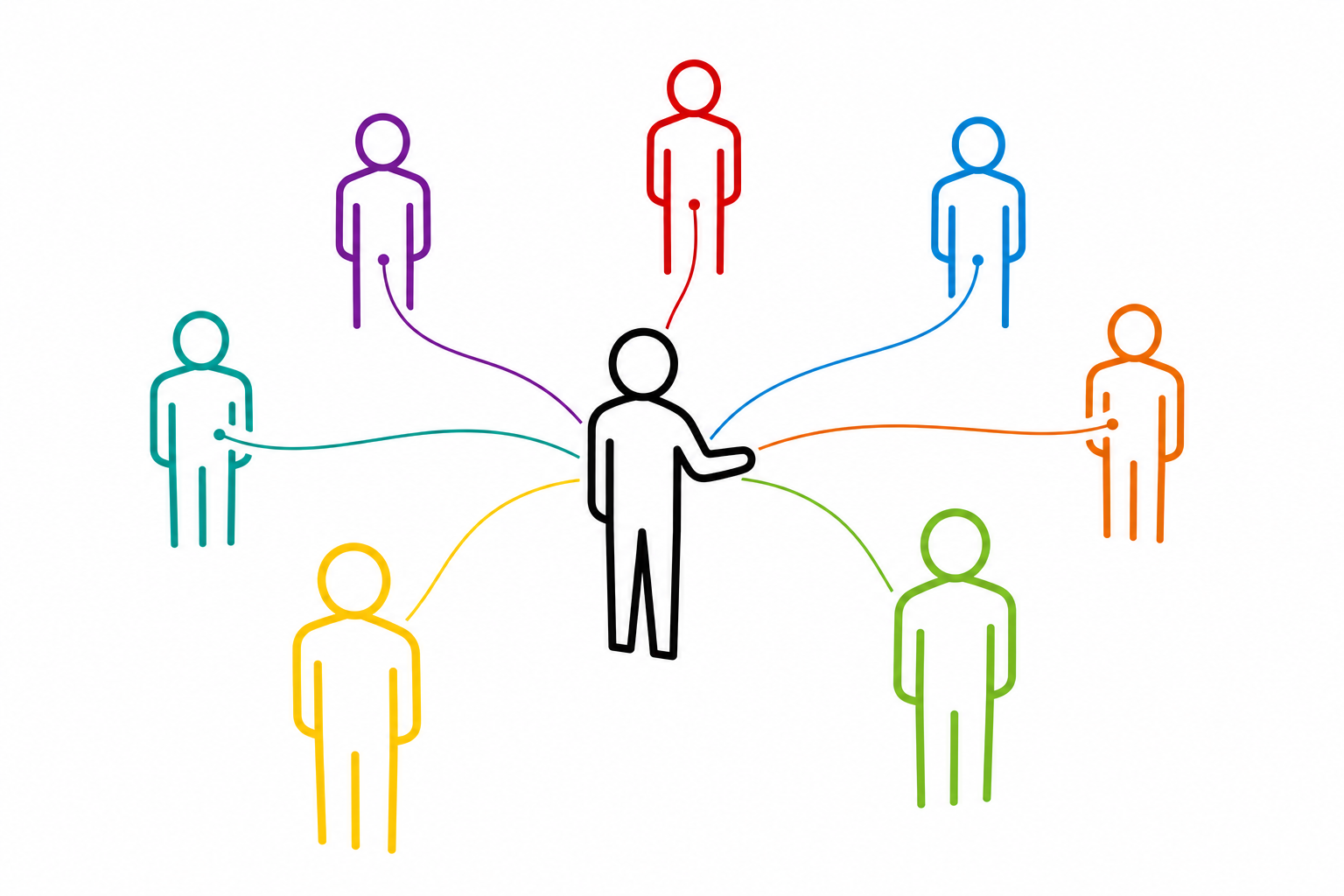
Through red glasses you see pace to be made everywhere. Through green glasses you see the people first. Seven colours, seven ways of looking. No single one is better. But the situation determines which way of looking helps and which one hinders.
Under pressure we have the natural reflex to show more of our preferred drivers. You see even more of what you always saw, and it becomes harder to look through the other person's glasses.
And so you push. Against resistance you created yourself. That is where the energy drains away.
Try on the other person's glasses
Iris pokes three holes in the plan you worked on for weeks, within five minutes. It feels like an attack. But Iris looks through her yellow glasses: she tests your plan because she wants it to succeed. From now on, send it over in advance with one question attached: shoot some holes in this. Your biggest critic becomes your best quality check.
John asks about the step-by-step plan for the reorganisation for the third time. You see someone who does not want to move. But John looks through his blue glasses: he is not asking for delay, he is asking for something to hold on to. Give him the foundation, and he is exactly the one who will carry the change the longest.
The honest mirror
There is one pair of glasses you never see: your own. Your colleagues see them very well.
Behaviour is visible. Drivers are not.
If you want to win people over, do not start with your own story, but with the other side of it. First understand which glasses the other person is looking through. Only then convince them or explain your side of the story. And share which coloured glasses you look through yourself, so that it can be understood too.
For your next meeting
- Seeing resistance? First ask yourself which glasses the other person is looking through.
- Share with the other person which coloured glasses you look through yourself.
- Your logic is not self-evident to the other person.
- Make sure your preferred driver does not become your pitfall under pressure.
Looking differently starts with insight
Not managing harder, but looking differently: first know your own glasses, then become curious about the other person's. And share which coloured glasses you look through yourself.
The free Miniscan shows you in five minutes which coloured glasses you look through. Rather talk it through for your team or clients straight away? Book an introduction. We are happy to think along with you.
Rather experience for yourself what drives you?
Take the free miniscan and discover in a few minutes what moves you.
More blog articles

The holiday test
3 August 2026
They are still here. But they no longer join in.
12 July 2026
Leadership does not start with your style
9 July 2026